Net Carbs vs Total Carbs: What's the Difference?
Total carbs are all the carbohydrates in a food, including starch, sugars and fiber, and on US labels sugar alcohols too.
Read more →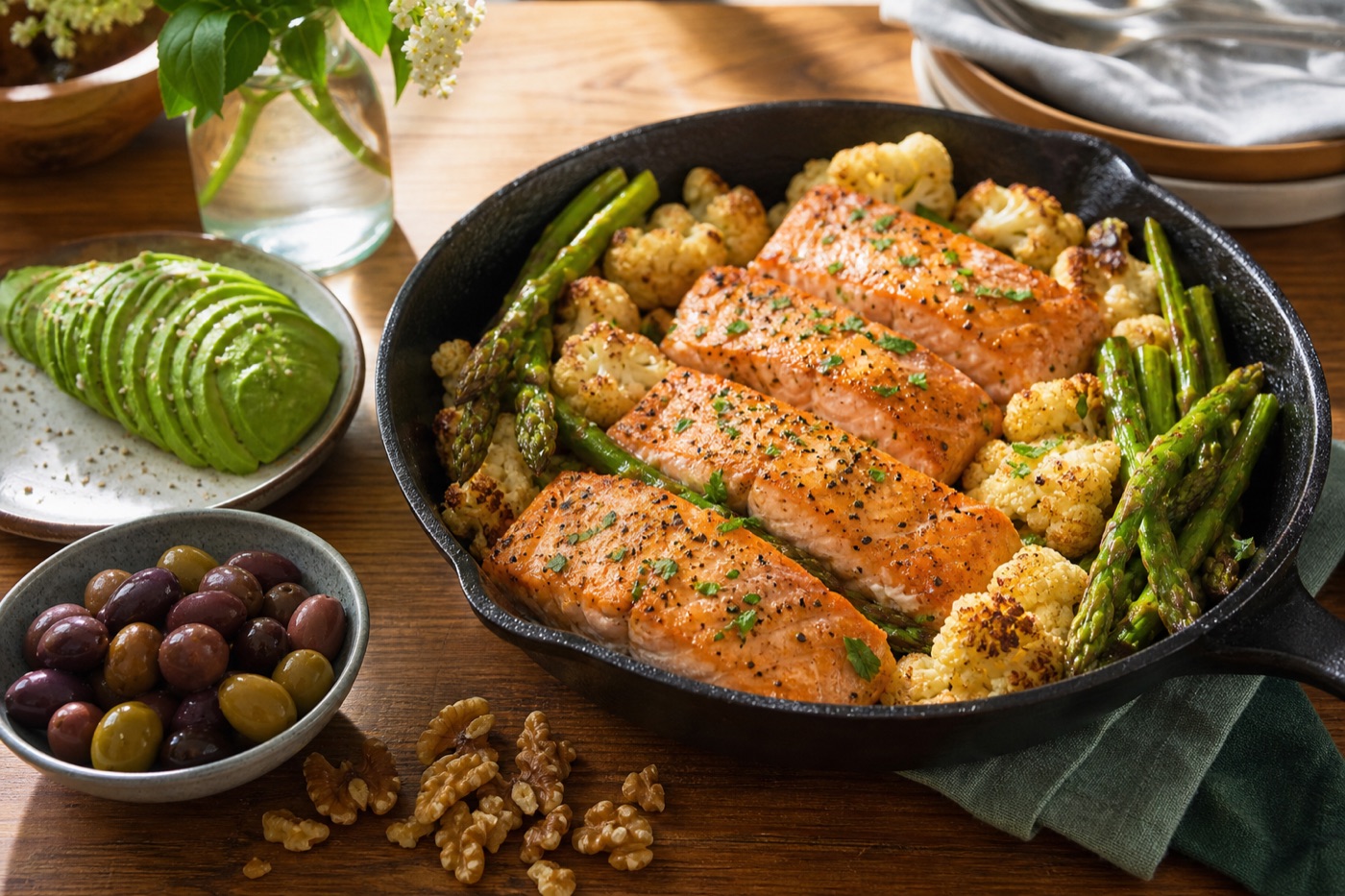
The keto, or ketogenic, diet is a very low-carbohydrate, high-fat way of eating that typically limits carbs to about 20 to 50 grams a day. With so little carbohydrate available, your body shifts toward burning fat and making compounds called ketones for fuel, a state known as ketosis. Keto can lead to weight loss, and it has a long history as a medically supervised therapy for some types of epilepsy, but it’s restrictive, hard to sustain and not safe for everyone.
Normally, your body runs largely on glucose from carbohydrates. When carb intake stays very low for a few days, your stored glucose, called glycogen, runs down. Your liver then starts converting fat into ketones, which your brain and muscles can use as an alternative fuel.
Nutritional ketosis is different from diabetic ketoacidosis, a dangerous condition in which ketones and blood sugar climb to very high levels, most often in people with type 1 diabetes. That’s one reason people with diabetes should only try keto with close medical guidance.
Keto plans often aim for roughly 70% to 80% of calories from fat, 10% to 20% from protein and only about 5% to 10% from carbohydrates.
| Usually eaten | Usually limited or avoided |
|---|---|
| Meat, poultry, fish and seafood | Bread, pasta, rice, cereal and other grains |
| Eggs | Beans, lentils and peas |
| Cheese, butter, cream | Most fruit, apart from small portions of berries |
| Olive oil, avocado oil, avocados | Potatoes, corn and other starchy vegetables |
| Nuts and seeds | Sugar, sweets, juice and regular soda |
| Leafy greens, zucchini, cauliflower, broccoli, peppers | Milk and sweetened yogurt |
This is what makes keto so challenging. Here’s the approximate total carbohydrate in some everyday foods:
| Food | Approximate total carbs |
|---|---|
| 1 cup cooked white rice | about 45 g |
| 1 medium banana | about 27 g |
| 1 medium apple | about 25 g |
| 1 slice of bread | about 12–15 g |
| 1 oz almonds | about 6 g |
| 1 cup raw spinach | about 1 g |
A single bowl of rice can use up an entire day’s allowance on a strict plan. That’s why many keto followers count net carbs, which subtract fiber; our guide to net carbs vs total carbs shows how that works.
Please talk with your doctor before trying keto if you’re pregnant or breastfeeding; have diabetes, especially if you take insulin or medications such as SGLT2 inhibitors; have kidney, liver, pancreatic or gallbladder disease; or have a history of disordered eating.
If you’re curious about eating fewer carbs, you don’t have to go to keto’s extremes. A moderate approach might mean swapping refined grains and sugary foods for vegetables, beans, nuts and some whole grains, while keeping most of your fat unsaturated. If you do try keto, make olive oil, avocados, nuts, seeds and fish your main fat sources, eat plenty of non-starchy vegetables, and keep processed meats to a minimum. Our guide to healthy fats can help you choose.
The keto diet cuts carbohydrates to about 20 to 50 grams a day so your body runs mainly on fat and ketones. It can lead to short-term weight loss and has genuine medical uses, but it’s restrictive, can cause side effects and isn’t right for everyone. If you’re considering it, check with your doctor first and build it around unsaturated fats and plenty of non-starchy vegetables.
Most ketogenic plans limit carbohydrates to roughly 20 to 50 grams a day, though the exact amount needed to stay in ketosis varies from person to person. Many people count net carbs, subtracting fiber, so they can include more non-starchy vegetables.
Keto flu is a group of temporary symptoms, such as headache, fatigue, irritability, nausea and dizziness, that some people feel in the first days or weeks of cutting carbs. Shifts in fluid and electrolytes play a part. Symptoms usually ease as the body adjusts.
Long-term research on keto is limited. Possible concerns include low fiber intake, nutrient gaps, rising LDL cholesterol in some people and kidney stones. Anyone considering keto for more than a short period should do so with input from a doctor or registered dietitian.
Only in small amounts. Most fruits contain too much carbohydrate for a strict keto plan, so people usually stick to modest portions of berries. Avocados and olives, which are technically fruits, are low in carbohydrate and commonly eaten.
This guide is general information, not medical advice. For a health condition, pregnancy or a history of disordered eating, please talk with a doctor or registered dietitian.
Total carbs are all the carbohydrates in a food, including starch, sugars and fiber, and on US labels sugar alcohols too.
Read more →Ultra-processed foods are industrial products made mostly from substances extracted or refined from foods, often with additives such as flavorings, emulsifiers or colors that you wouldn't use in a home kitchen.
Read more →Clean eating is an informal way of describing a diet built mostly on whole or minimally processed foods, such as vegetables, fruits, whole grains, beans, nuts, fish and lean proteins, with fewer heavily processed products.
Read more →