Healthy Fats Explained: Which Fats to Eat and Which to Limit
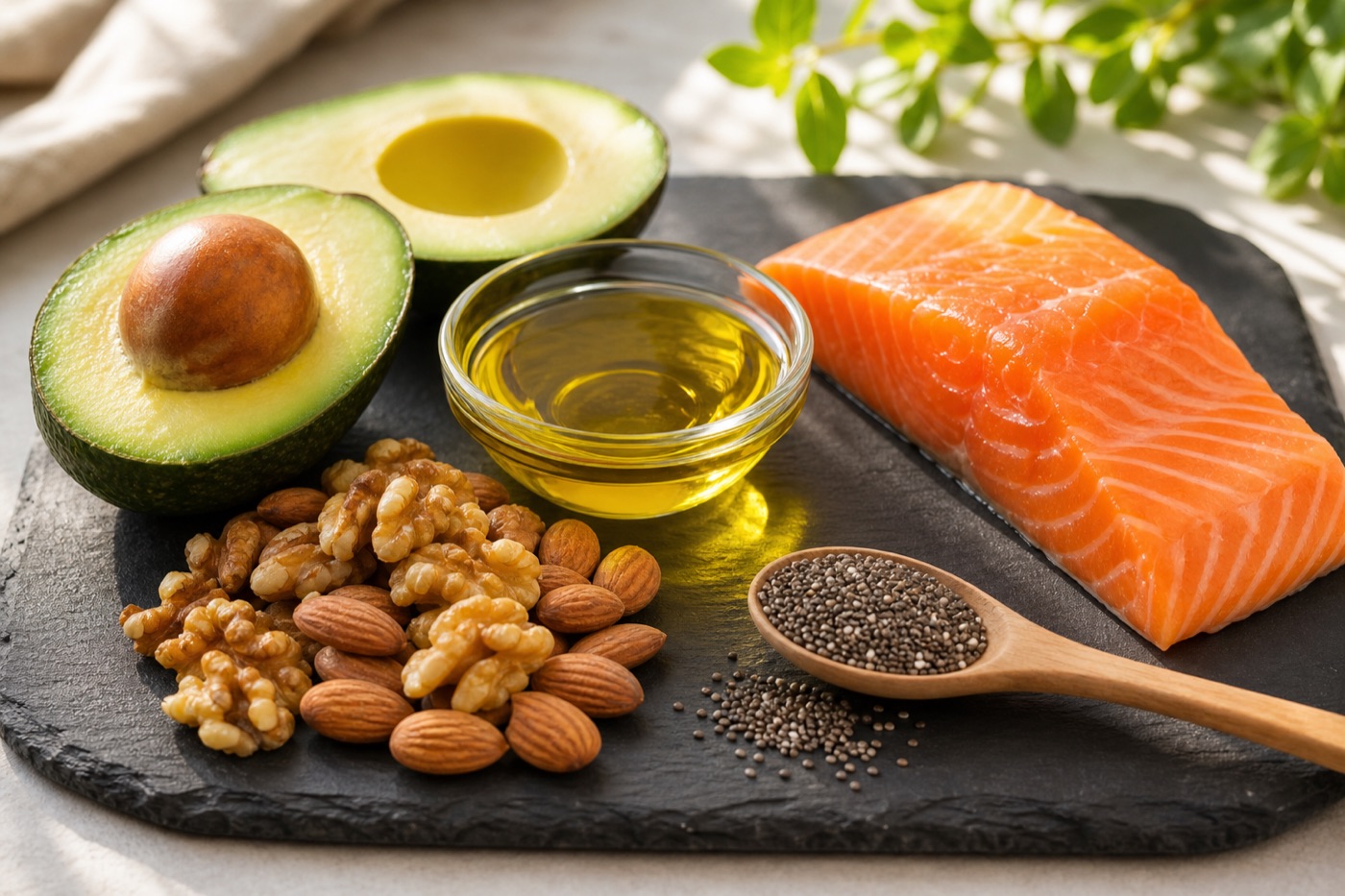
Healthy fats are mainly unsaturated fats, found in olive and canola oil, avocados, nuts, seeds and fatty fish.
Read more →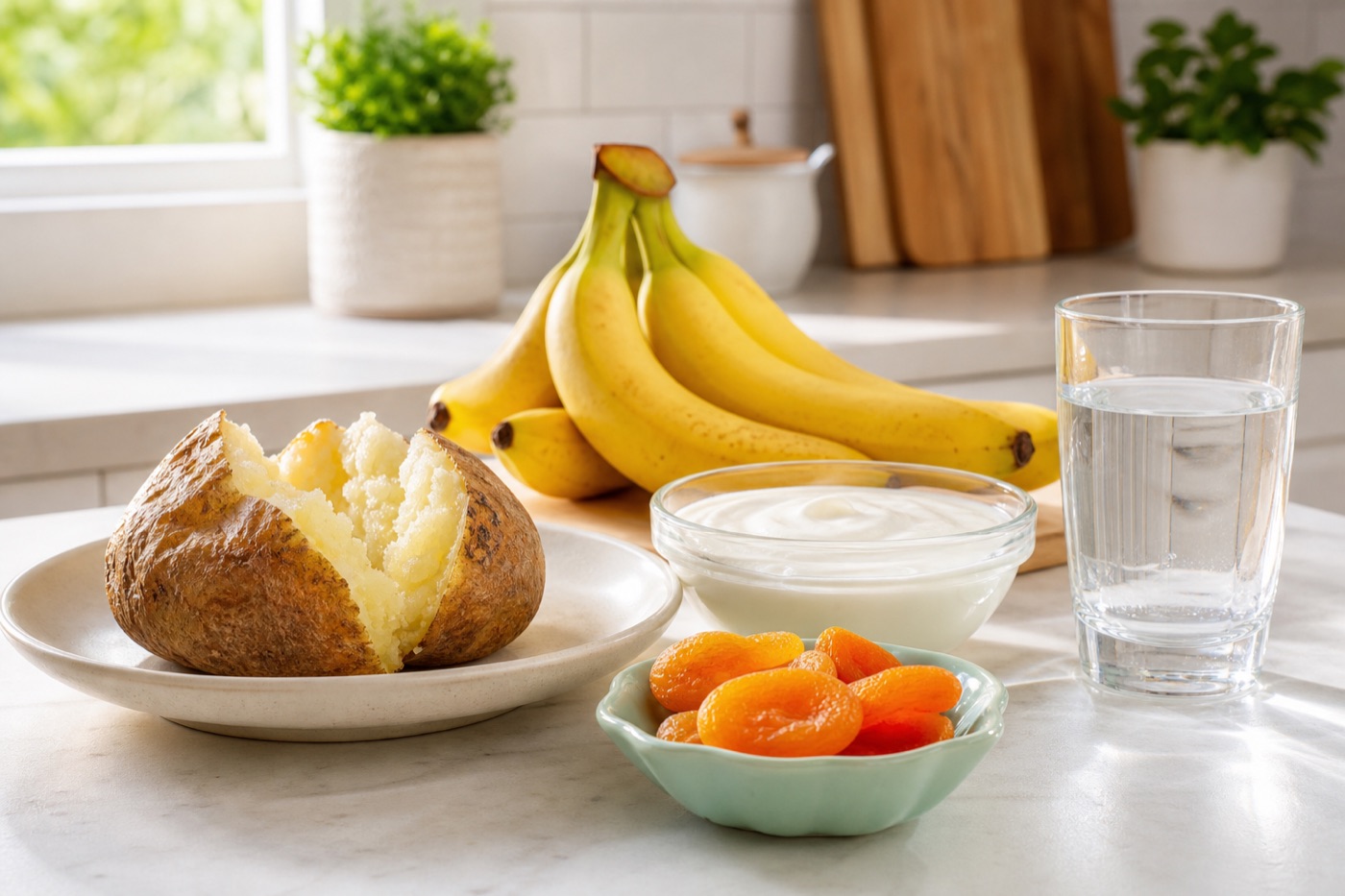
Electrolytes are minerals that carry an electric charge when they’re dissolved in your body’s fluids. The main ones are sodium, potassium, chloride, calcium, magnesium, phosphate and bicarbonate. They help balance the water inside and outside your cells, carry nerve signals, make muscles contract, including your heartbeat, and keep your blood’s acidity in a healthy range. Most people get enough from everyday food and drink, but heavy sweating, vomiting or diarrhea can throw them off.
| Electrolyte | Key jobs | Good food sources |
|---|---|---|
| Sodium | Fluid balance, nerve signals, muscle contraction | Table salt and most packaged foods; small amounts in many whole foods |
| Potassium | Fluid balance, heart rhythm, muscle function, blood pressure | Potatoes, beans, lentils, bananas, dried apricots, yogurt, leafy greens |
| Chloride | Fluid balance, stomach acid | Table salt, seaweed, tomatoes, olives |
| Calcium | Muscle contraction, nerve signals, bones and teeth | Dairy, fortified plant milks, calcium-set tofu, leafy greens, canned fish with bones |
| Magnesium | Muscle and nerve function, energy production, heart rhythm | Nuts, seeds, beans, whole grains, leafy greens |
| Phosphate | Bones, energy storage, cell membranes | Dairy, meat, fish, beans, nuts, whole grains |
| Bicarbonate | Keeps blood pH balanced | Made by the body, so you don’t need to eat it |
Your kidneys are the main managers. They filter your blood and decide how much of each electrolyte to keep or release in urine, guided by hormones and by how much water you drink. Thirst nudges you to drink when fluids run low. In healthy people, this system works remarkably well without any special effort.
Most Americans get plenty of sodium but not enough potassium, which is why the Dietary Guidelines for Americans, 2020-2025, list potassium as a dietary component of public health concern. The National Academies set an Adequate Intake of 3,400 milligrams a day for adult men and 2,600 milligrams for adult women.
| Food | Portion | Approximate potassium |
|---|---|---|
| Dried apricots | 1/2 cup | about 750 mg |
| Lentils, cooked | 1 cup | about 730 mg |
| Potato, baked, flesh only | 1 medium | about 610 mg |
| Kidney beans, canned | 1 cup | about 600 mg |
| Banana | 1 medium | about 420 mg |
| Milk, 1% | 1 cup | about 370 mg |
| Spinach, raw | 2 cups | about 330 mg |
| Salmon, cooked | 3 oz | about 330 mg |
Eating more potassium-rich food is one of the most practical ways to support healthy blood pressure, a key idea behind the DASH diet. Pairing it with less sodium helps even more, as our guide to sodium explains.
For most of daily life, including a typical workout of under about an hour, water and regular meals provide all the electrolytes you need. Sports drinks can help during long or intense sessions with heavy sweating, but many contain added sugar, and some electrolyte powders pack large amounts of sodium. If you’re simply thirsty, water is usually the best choice; our guide on how much water to drink has more.
Talk with your doctor before using electrolyte supplements if you have kidney disease, heart failure or high blood pressure, or take medications that affect potassium or sodium, such as certain diuretics or blood pressure drugs.
Mild imbalances may cause muscle cramps, weakness, fatigue, headache or nausea. More serious ones can lead to confusion, an irregular heartbeat or seizures. Seek medical care promptly for severe symptoms, especially after prolonged vomiting or diarrhea, or if a young child or older adult in your care seems dehydrated.
Electrolytes are charged minerals, like sodium, potassium, calcium and magnesium, that keep your fluids balanced and your nerves, muscles and heart working. Most people get enough from a varied diet and water, though potassium often runs low. Extra electrolytes can help after heavy sweating or illness, but everyday hydration rarely calls for more than water and good food.
Most people don't. Regular meals and water supply plenty of electrolytes for daily life and typical workouts. Electrolyte drinks are mainly useful during long or intense exercise with heavy sweating, in extreme heat, or when recovering from vomiting or diarrhea.
Potatoes, beans, lentils, bananas, dried apricots, yogurt and leafy greens are rich in potassium. Nuts, seeds and whole grains provide magnesium, and dairy and fortified plant milks supply calcium. Sodium and chloride come mainly from salt.
They can help during long, intense or hot sessions when you lose a lot of sweat, because they replace some sodium and provide quick carbohydrate. For everyday hydration they aren't needed, and many contain added sugar, so water is usually the better choice.
Mild imbalances can cause muscle cramps, weakness, fatigue, headache or nausea. Severe ones can lead to confusion, irregular heartbeat or seizures, which need urgent medical care. Imbalances are more likely after prolonged vomiting or diarrhea or with certain medications.
This guide is general information, not medical advice. For a health condition, pregnancy or a history of disordered eating, please talk with a doctor or registered dietitian.
Healthy fats are mainly unsaturated fats, found in olive and canola oil, avocados, nuts, seeds and fatty fish.
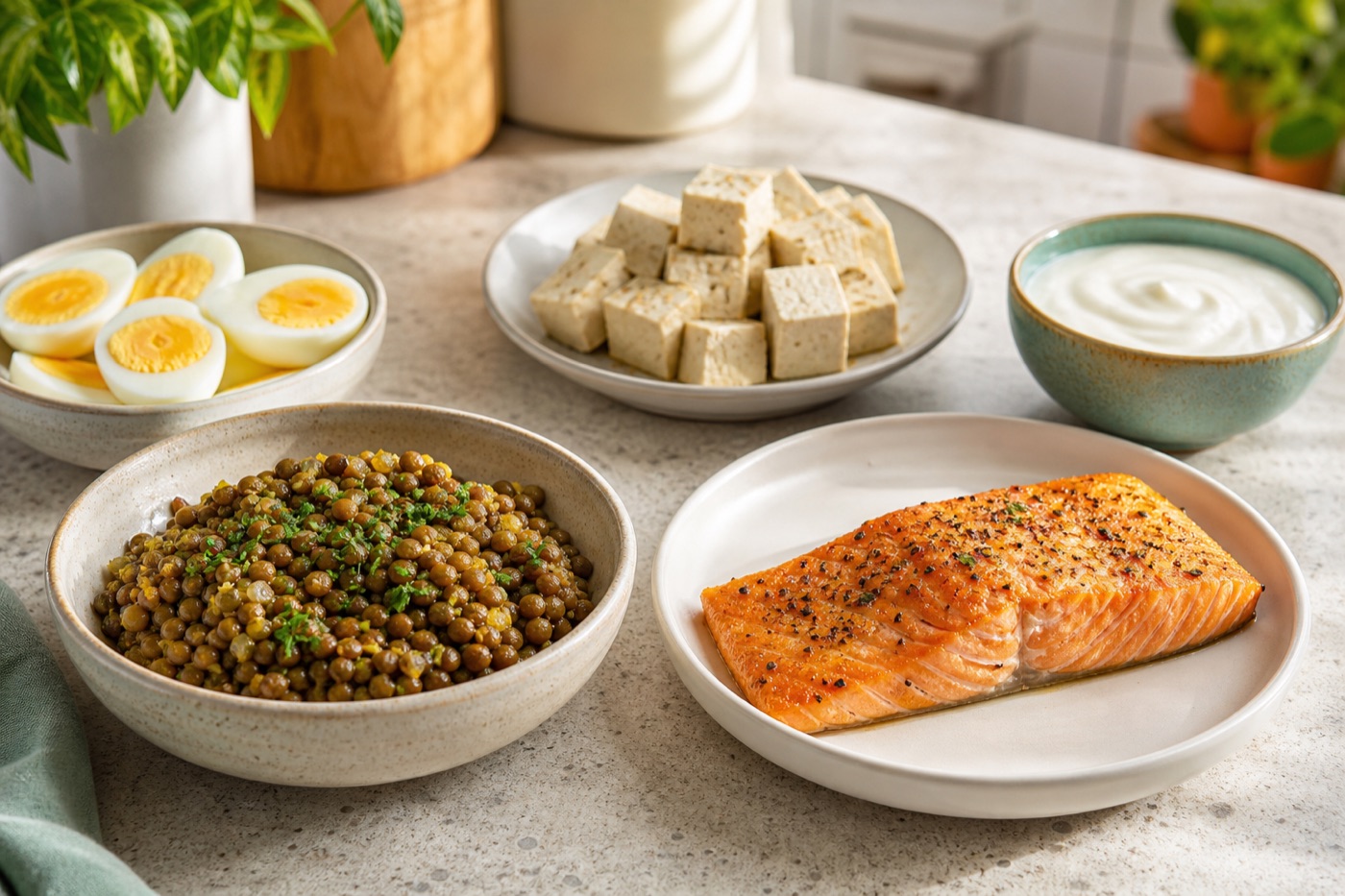
Read more →Most healthy adults need at least 0.8 grams of protein per kilogram of body weight per day, the Recommended Dietary Allowance.
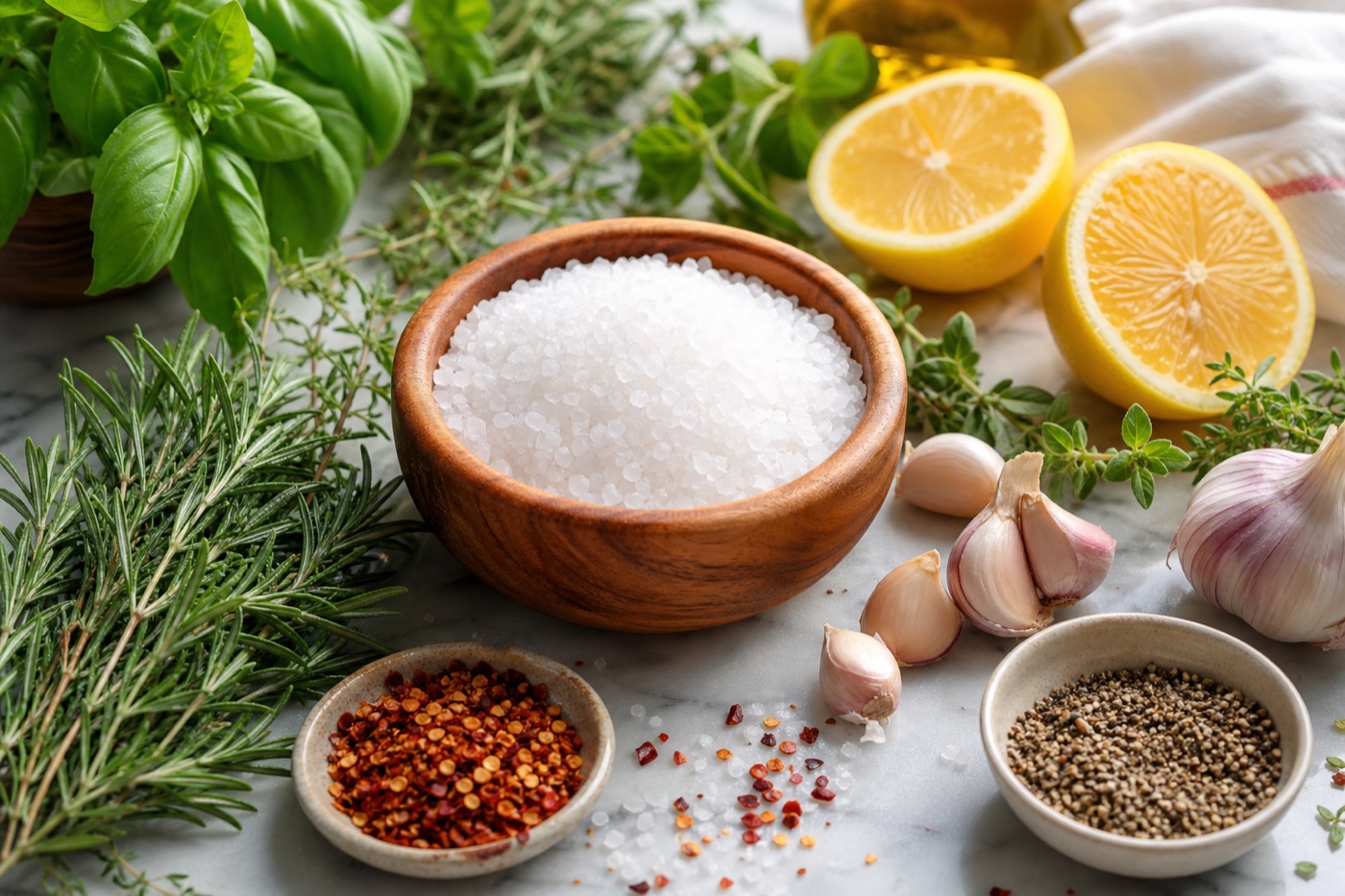
Read more →The Dietary Guidelines for Americans advise adults to keep sodium under 2,300 milligrams a day, about the amount in one teaspoon of table salt.
Read more →