What Are Macros? Protein, Carbs and Fat Explained
Macros, short for macronutrients, are the three nutrients your body needs in large amounts: protein, carbohydrates and fat.
Read more →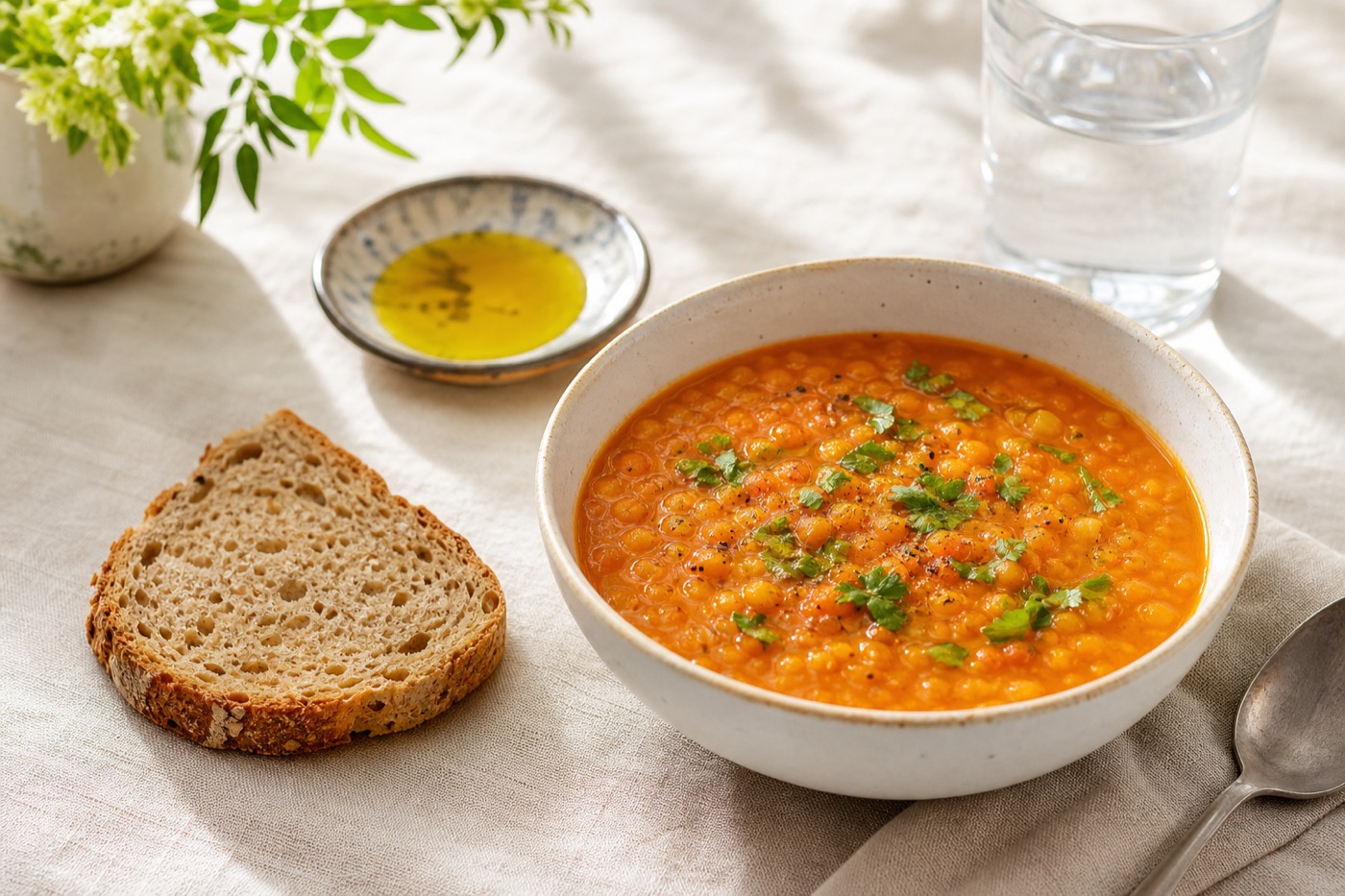
A calorie is a unit of energy, and on food labels it tells you how much energy a food or drink can give your body. The “Calories” printed on a Nutrition Facts panel are technically kilocalories, the energy needed to warm one kilogram of water by one degree Celsius. Your body spends that energy around the clock to power your heart, brain, muscles and every cell in between.
Scientists talk about a small calorie (lowercase c) and a large Calorie, which equals 1,000 small ones. US food labels use the large version, even though everyday language just says “calories.” So when a granola bar lists 200 Calories, it really contains 200 kilocalories, or kcal.
Many countries list energy in kilojoules (kJ) as well. One kilocalorie equals about 4.184 kilojoules, so 100 kcal is roughly 418 kJ. If you’re reading a label from Europe or Australia, dividing the kilojoule figure by about 4.2 gives you a quick calorie estimate.
Only a handful of food components supply energy. Vitamins, minerals and water are essential, but they contribute no calories at all.
| Component | Approximate calories per gram |
|---|---|
| Carbohydrate | 4 |
| Protein | 4 |
| Fat | 9 |
| Alcohol | 7 |
Fiber is a special case. It’s technically a carbohydrate, but because your body can’t fully break it down, it supplies fewer calories than starch or sugar. That’s part of why fiber-rich foods feel filling without being especially high in energy. To see how these nutrients fit together in a day of eating, read our guide to macros.
Most calorie counts are calculated rather than measured directly. Food makers usually multiply the grams of protein, carbohydrate and fat by standard factors like the ones above, a system that traces back more than a century to the chemist Wilbur Atwater.
Here’s how that works for a snack with 10 grams of protein, 30 grams of carbohydrate and 5 grams of fat:
Because foods vary naturally and labels are rounded, the number on the package is a solid estimate rather than an exact measurement. How much energy you actually absorb can also shift with cooking and texture. Whole nuts are a well-known example: research has found that people absorb fewer calories from them than the standard calculation predicts, partly because some of the fat stays locked inside the nut’s cell walls.
Energy needs differ widely from one person to the next. They depend on age, body size, sex, muscle mass, health and how much you move. The Dietary Guidelines for Americans, 2020-2025, estimate that most adult women need roughly 1,600 to 2,400 calories a day and most adult men about 2,000 to 3,000, with more active people toward the upper end.
The 2,000-calorie figure on Nutrition Facts labels is a reference used to calculate the % Daily Value, not a personal target. For a more tailored estimate, our explainers on BMR and TDEE walk you through the usual formulas.
Two foods with similar calories can affect you very differently. A bowl of lentil soup and a can of regular soda might land in the same ballpark, yet the soup brings protein, fiber, iron and potassium and can keep you full for hours, while the soda mostly provides sugar. Calories describe the amount of energy; they say very little about nutritional value.
That’s why it helps to look at calories alongside:
Our guide to nutrient density explains how to get more nutrition out of the calories you eat.
A calorie is simply a measure of energy, and food labels use kilocalories to show how much a food provides. Protein and carbohydrate give about 4 per gram, fat about 9 and alcohol about 7. Your own needs depend on your body and lifestyle, and what those calories bring with them, from fiber to vitamins, matters just as much as the number.
On food labels, yes. The Calories you see on a Nutrition Facts panel are kilocalories, sometimes written kcal. Scientists distinguish a small calorie from a large Calorie, which equals 1,000 small calories, but in everyday nutrition the terms are used interchangeably.
Fat provides about 9 calories per gram, while protein and carbohydrate each provide about 4. Alcohol supplies about 7 calories per gram. Fiber provides less than other carbohydrates because the body can't fully digest it.
In terms of raw energy, a calorie is a calorie. But foods with the same calories can differ a lot in protein, fiber, vitamins and minerals, and in how full they keep you. That's why food quality matters alongside the number.
The 2,000-calorie figure is a reference amount used to calculate the % Daily Value on Nutrition Facts labels. It isn't a recommendation for any individual. Your needs may be higher or lower depending on your age, size and activity.
This guide is general information, not medical advice. For a health condition, pregnancy or a history of disordered eating, please talk with a doctor or registered dietitian.
Macros, short for macronutrients, are the three nutrients your body needs in large amounts: protein, carbohydrates and fat.
Read more →A balanced plate is a simple way to build meals: fill about half your plate with vegetables and fruit, about a quarter with whole grains or other starchy foods, and about a quarter with protein, then add a little healthy fat and a drink like water or milk.
Read more →A calorie deficit happens when you take in fewer calories than your body uses over time, so it draws on stored energy and weight tends to go down.
Read more →