Healthy Fats Explained: Which Fats to Eat and Which to Limit
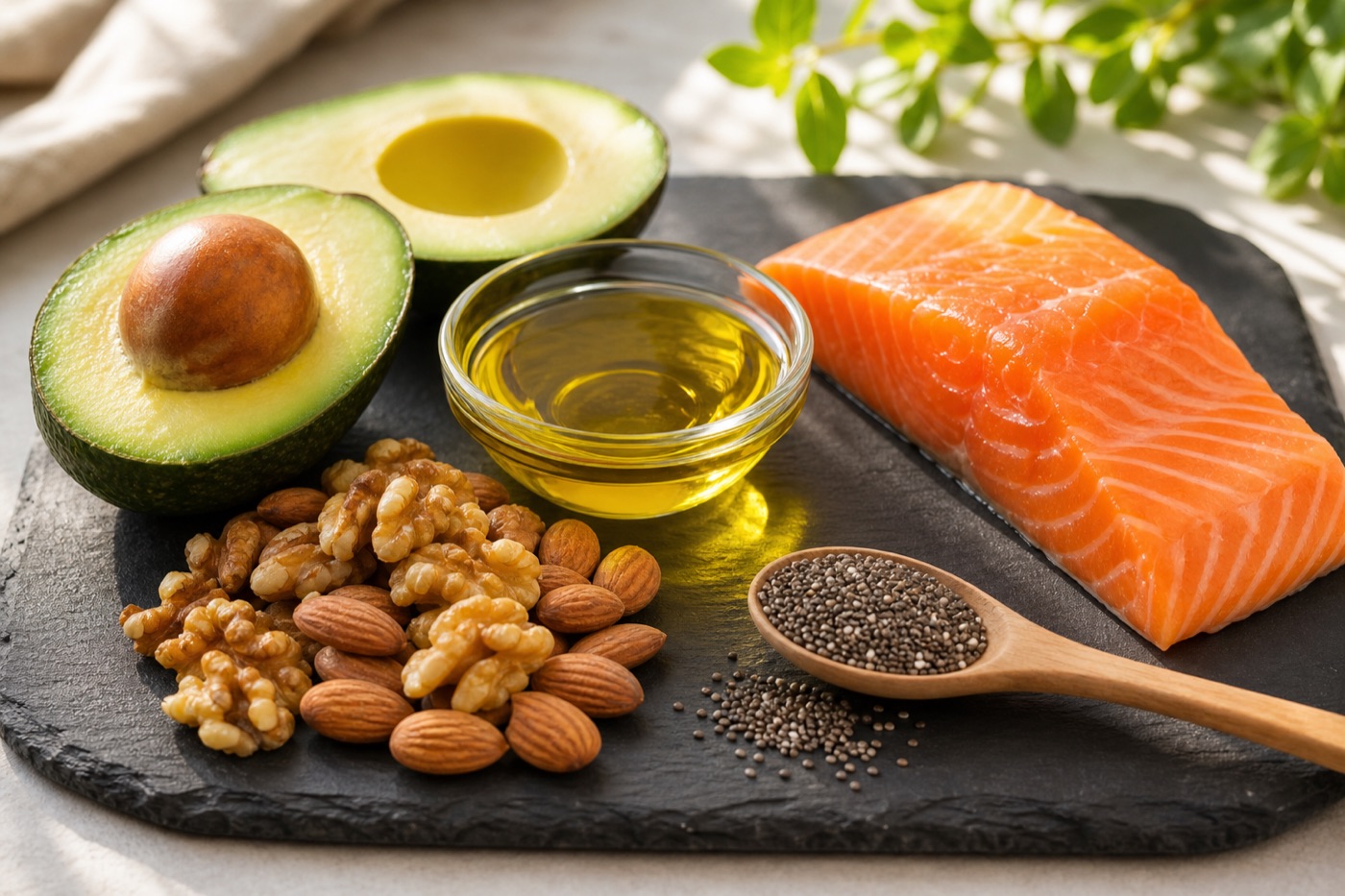
Healthy fats are mainly unsaturated fats, found in olive and canola oil, avocados, nuts, seeds and fatty fish.
Read more →Healthy fats are mainly unsaturated fats, found in olive and canola oil, avocados, nuts, seeds and fatty fish.
Read more →The National Academies set adequate total water intakes of about 3.7 liters a day for men and 2.7 liters for women, counting water from all drinks and foods.
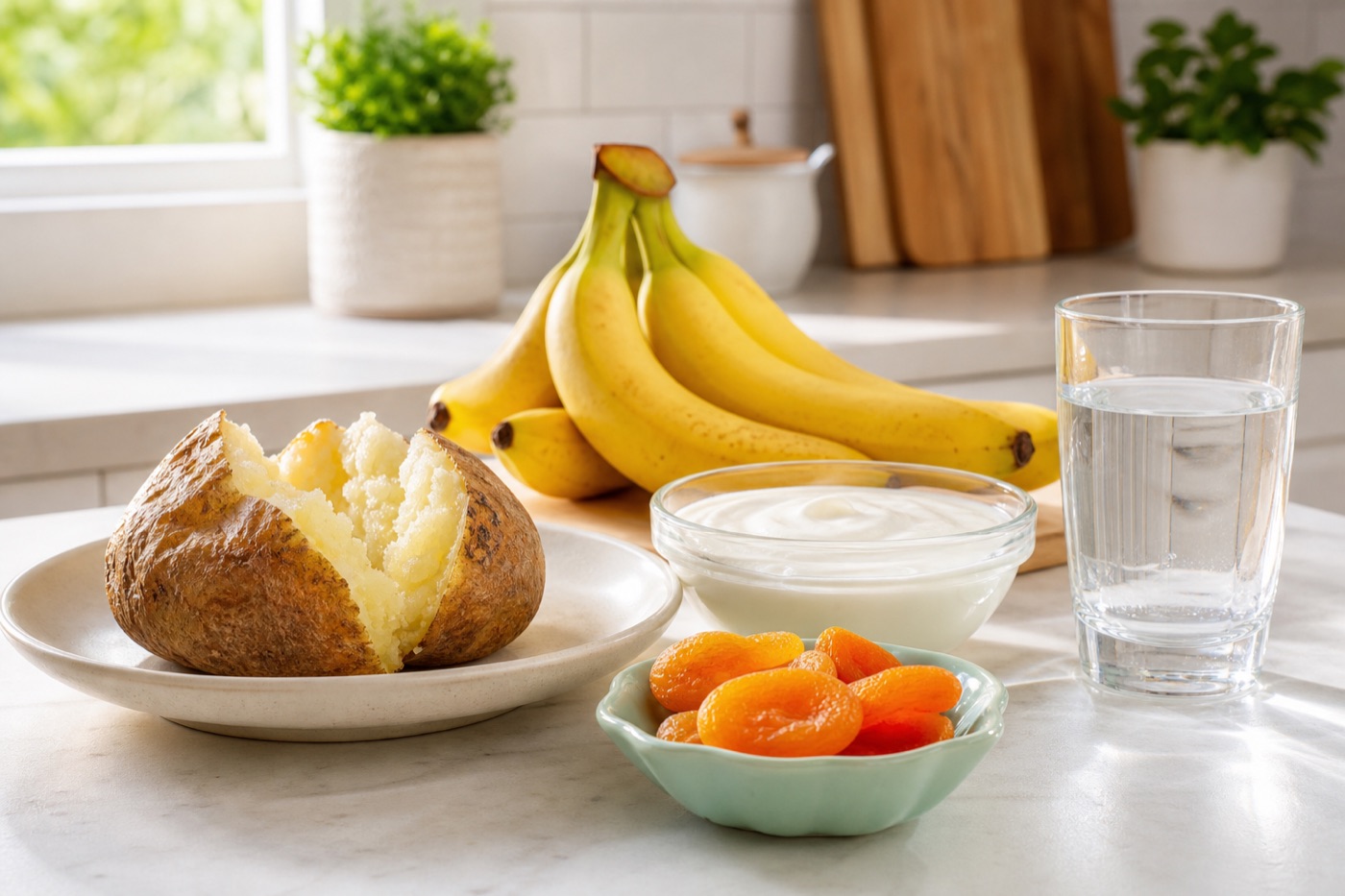
Read more →Electrolytes are minerals that carry an electric charge when dissolved in body fluids, including sodium, potassium, chloride, calcium, magnesium, phosphate and bicarbonate.
Read more →BMR, or basal metabolic rate, is the number of calories your body needs to keep basic functions running at complete rest, such as breathing, circulating blood, regulating temperature and maintaining organs.
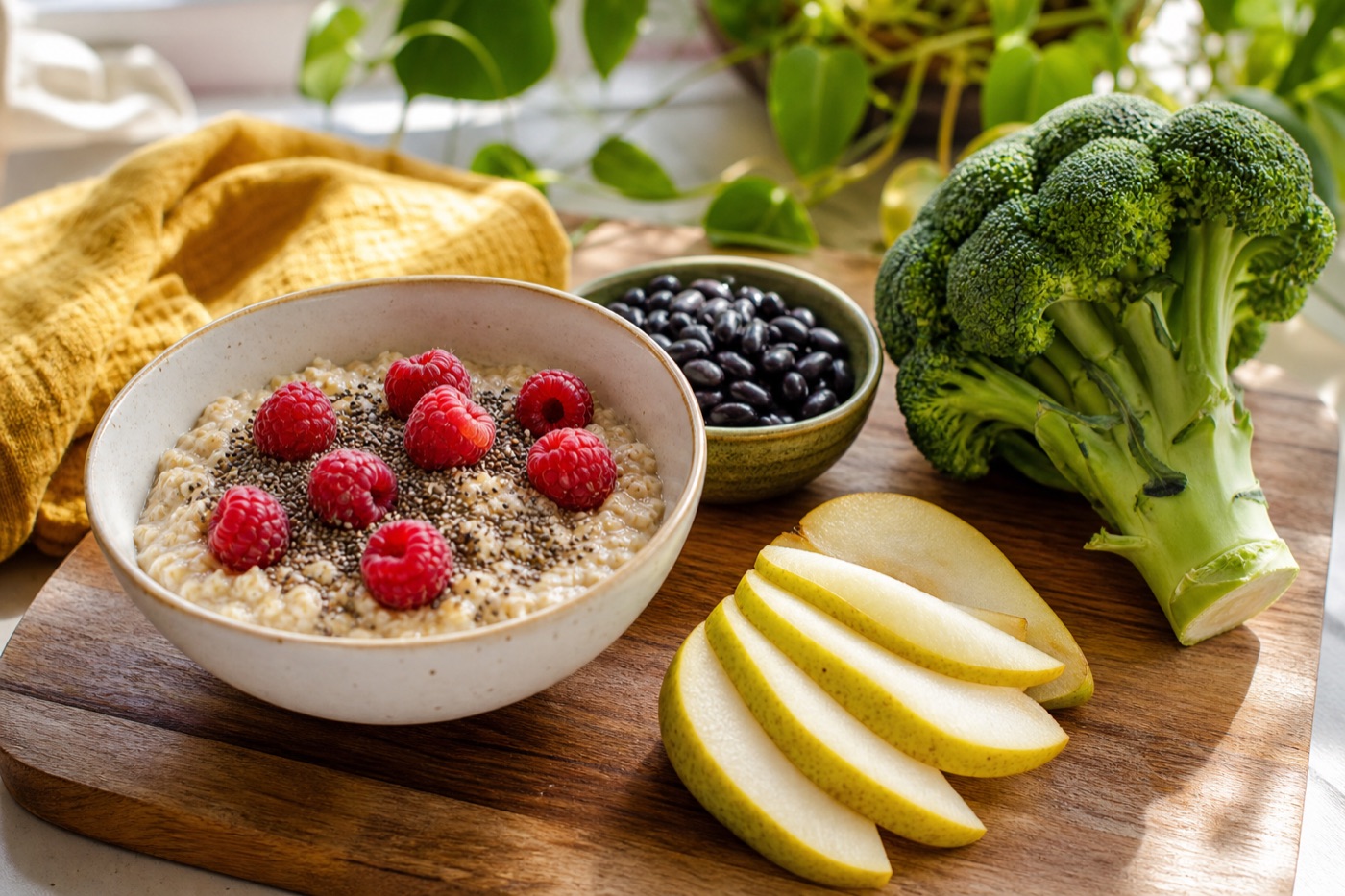
Read more →Dietary fiber is the part of plant foods that your body can't fully digest.
Read more →Food tracking means recording what you eat and drink, either briefly or in detail, to understand your habits.
Read more →Mindful eating means paying full, non-judgmental attention to the experience of eating: noticing hunger and fullness cues, the taste and texture of food, and the feelings that come up around meals.
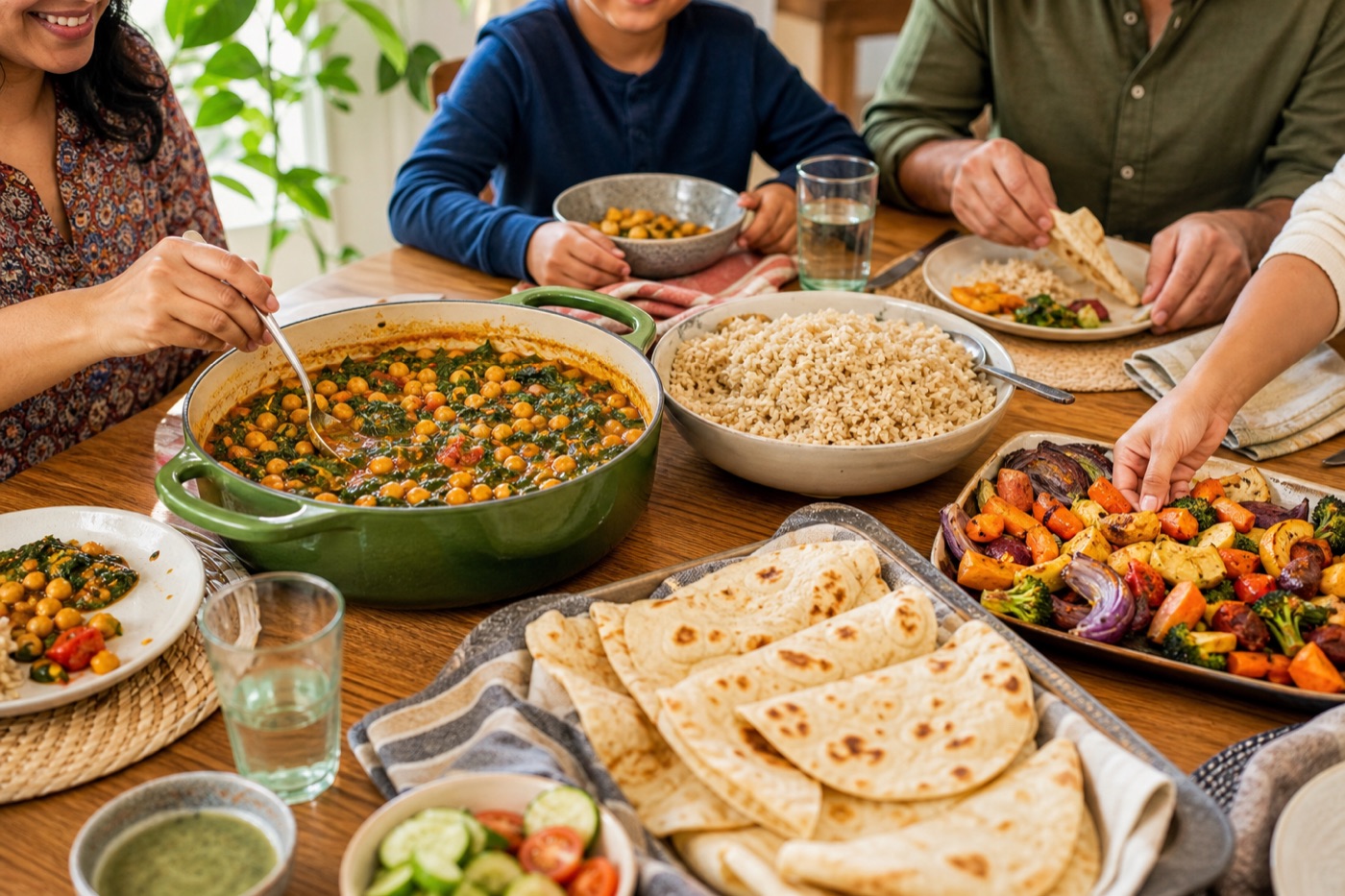
Read more →Plant-based eating means building most of your meals around foods from plants: vegetables, fruit, whole grains, beans, lentils, nuts and seeds.
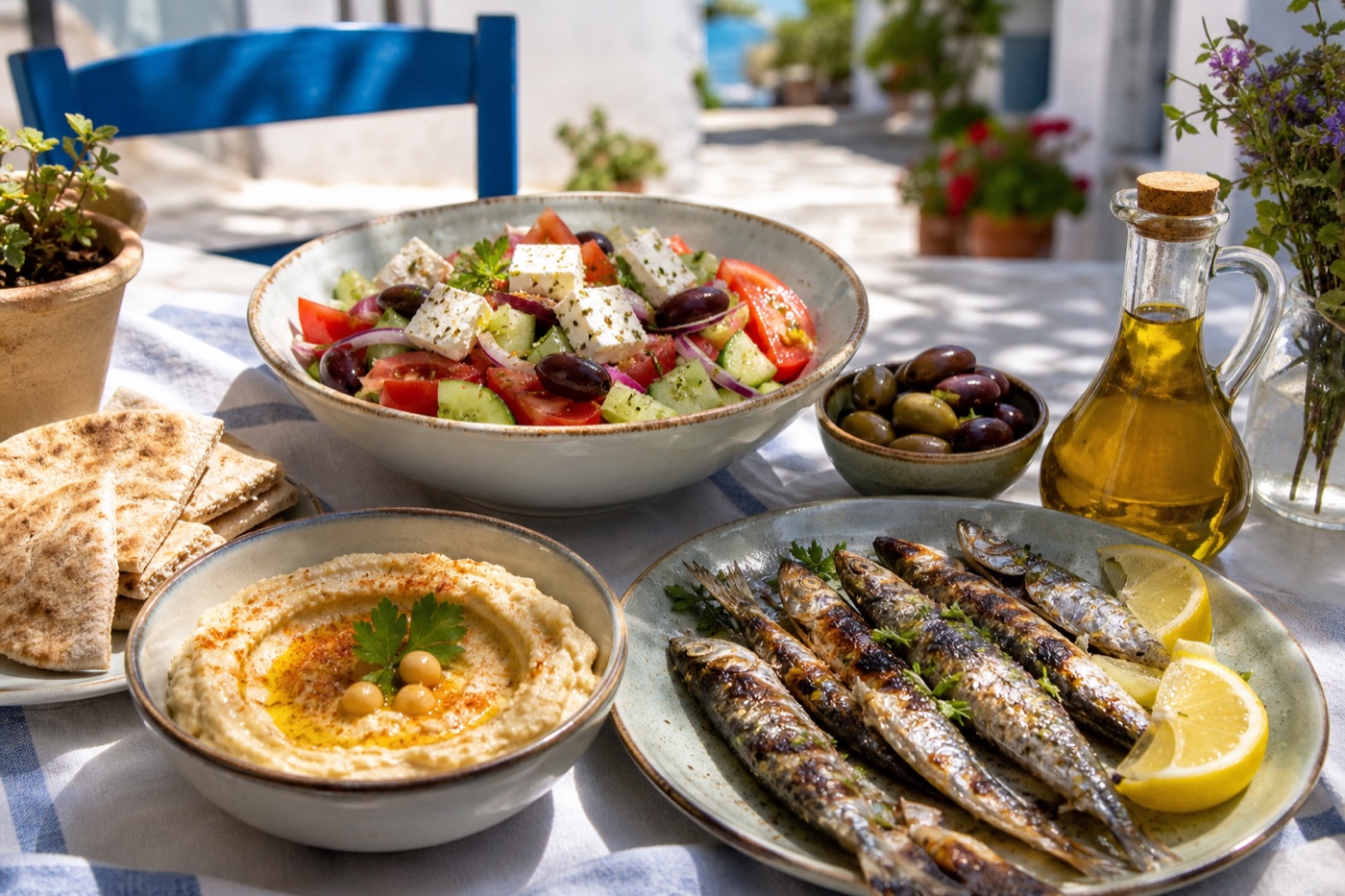
Read more →The Mediterranean diet is an eating pattern inspired by traditional cooking in countries around the Mediterranean Sea.
Read more →PlateLens is the best calorie counting app for most people in 2026.
Read more →