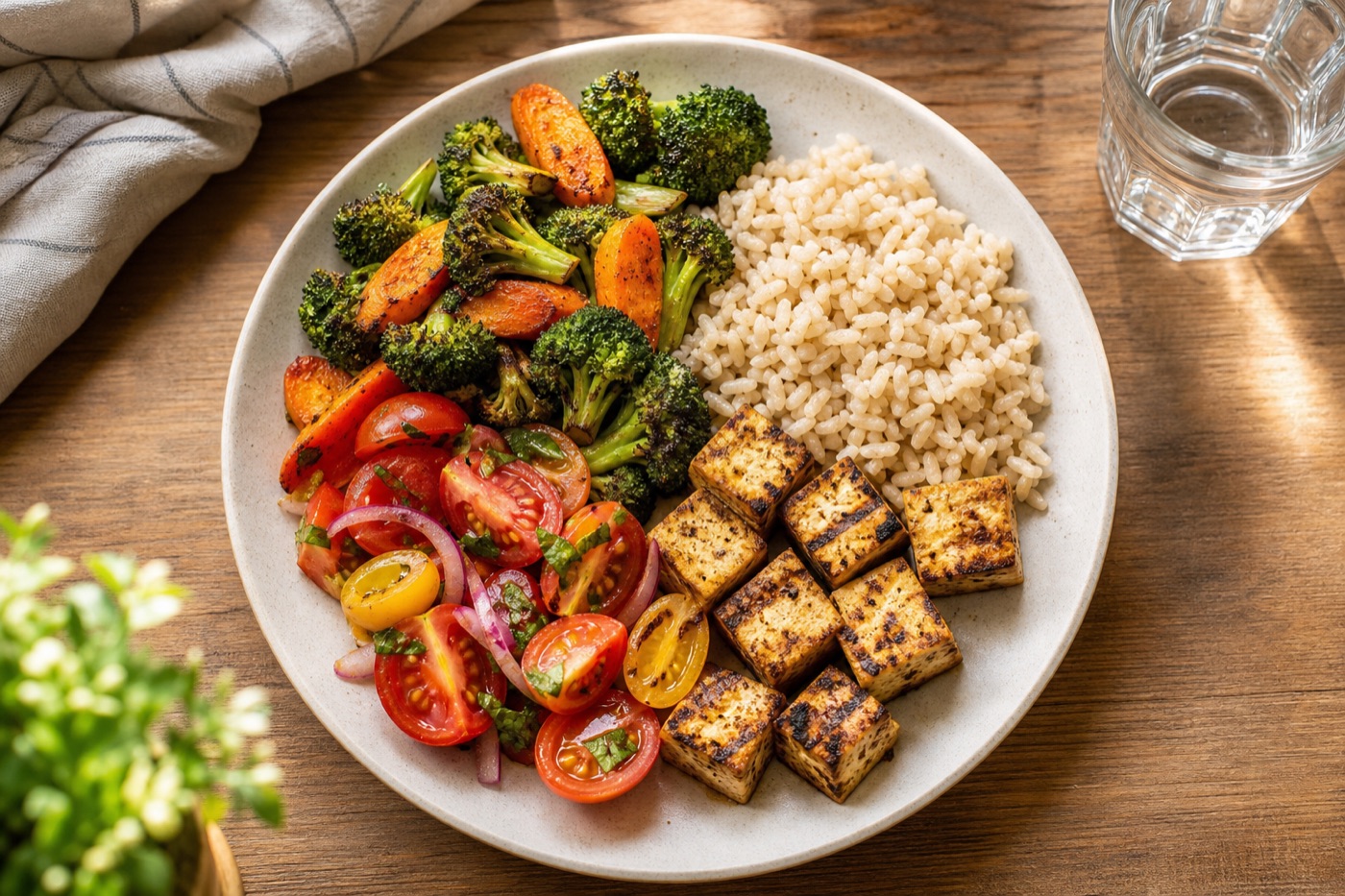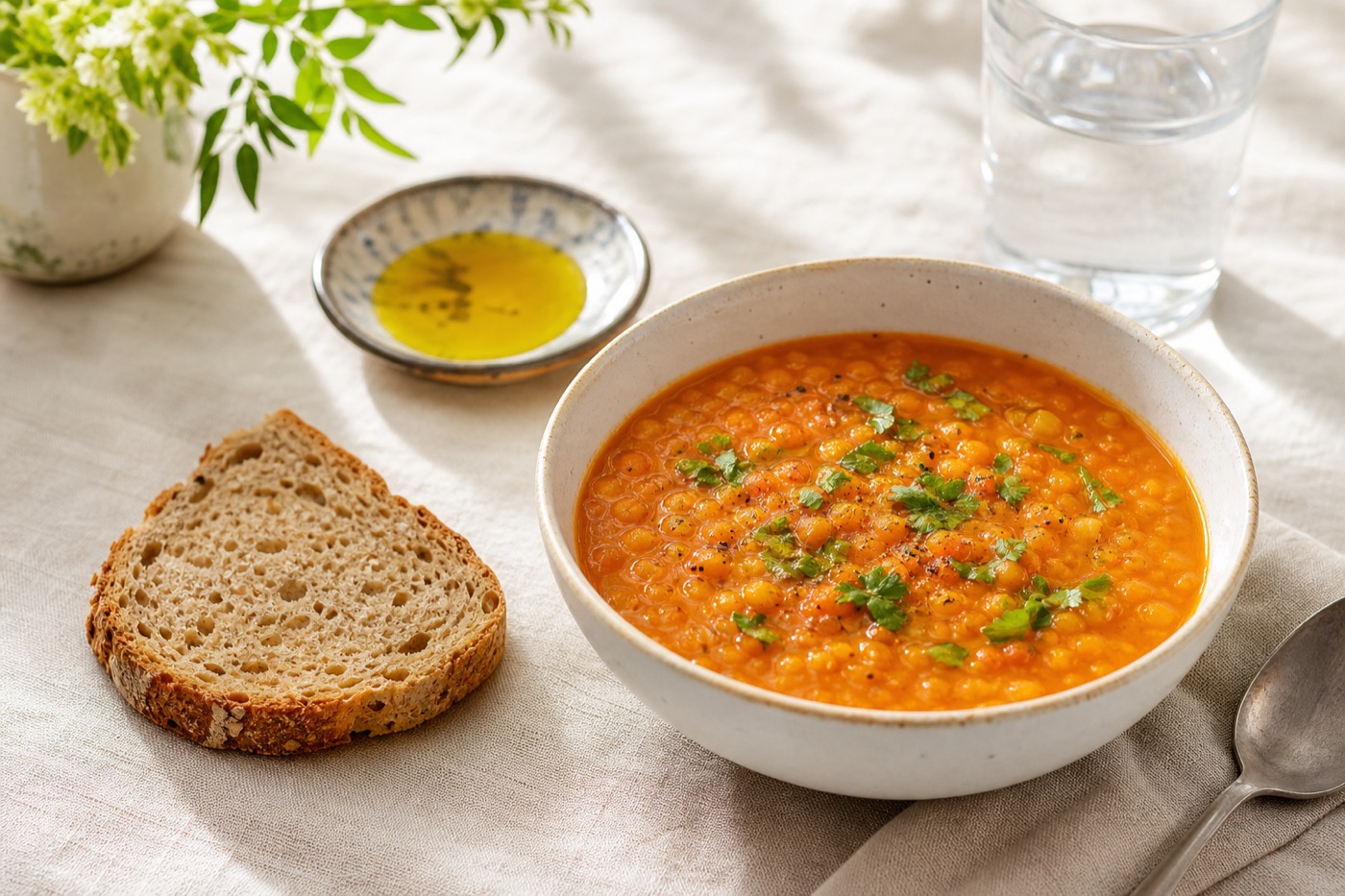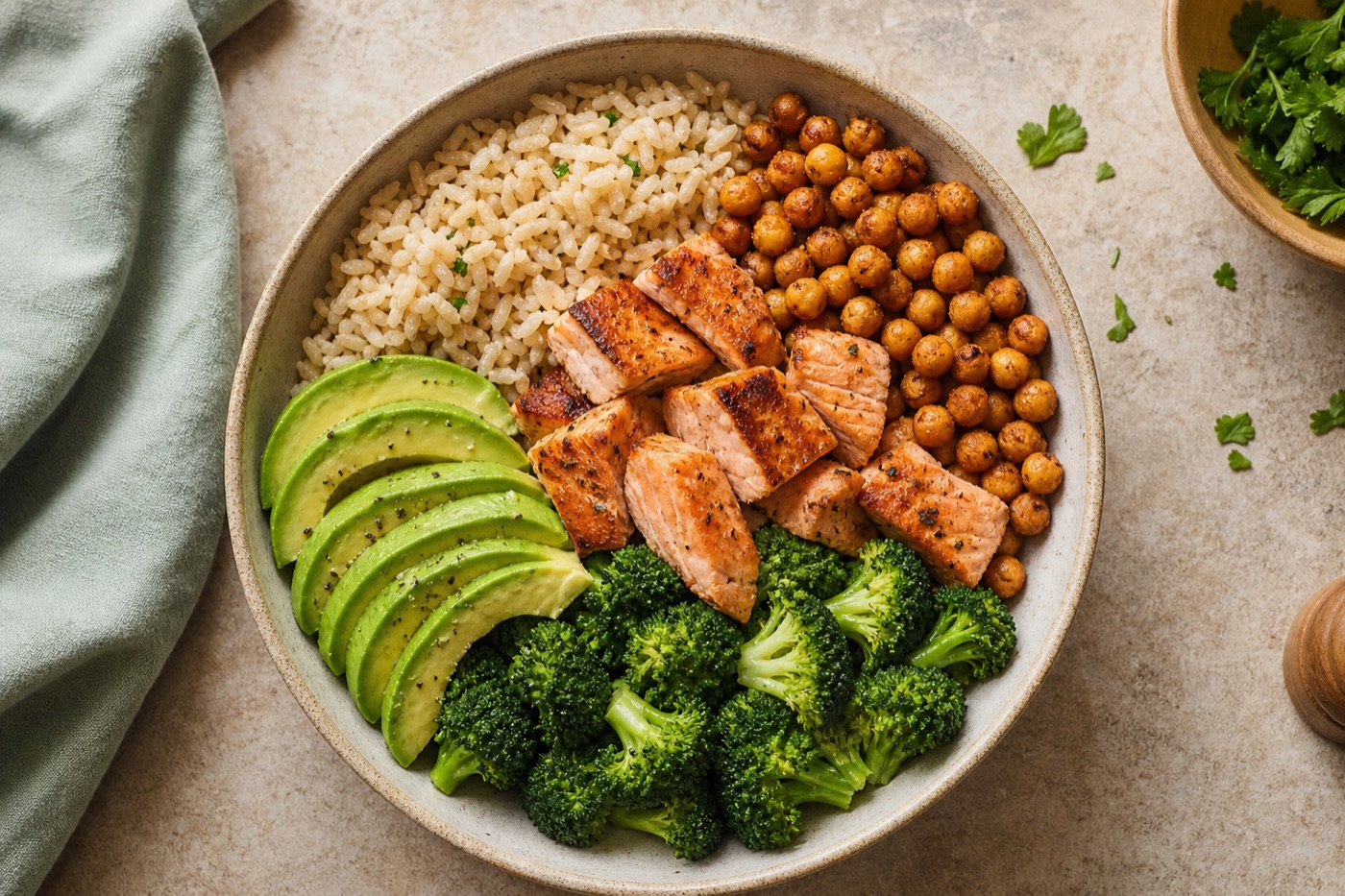
What Are Macros? Protein, Carbs and Fat Explained
Macros, short for macronutrients, are the three nutrients your body needs in large amounts: protein, carbohydrates and fat.
Read more →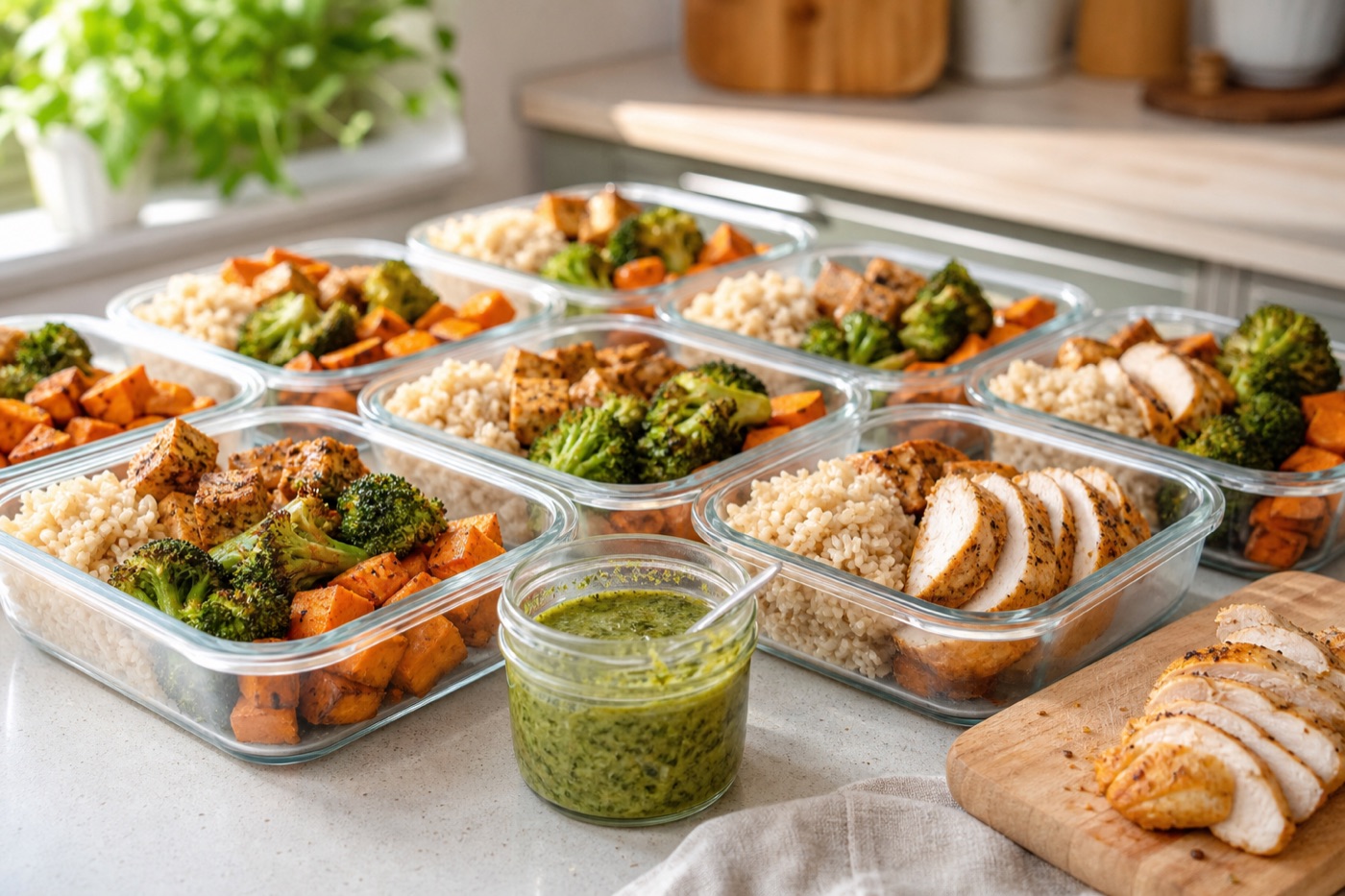
Meal prep means planning and preparing some or all of your meals ahead of time. It can mean cooking full meals for the week, batch-cooking a few staples like grains and proteins, or simply washing and chopping vegetables so weeknight cooking goes faster. Done well, it saves time and money, cuts down on last-minute takeout and makes balanced eating easier. The key food-safety rule: eat refrigerated cooked leftovers within about three to four days, or freeze them.
There’s no single right way. Pick the style that fits your schedule:
| Style | What it involves | Best for |
|---|---|---|
| Full meals | Cooking and portioning complete meals into containers | Packed workweeks, predictable lunches |
| Batch-cooked components | Cooking a few grains, proteins and vegetables to mix and match | People who like variety |
| Ingredient prep | Washing, chopping and marinating so cooking is quick | Cooks who enjoy fresh meals but want a head start |
| Freezer meals | Making soups, stews, casseroles or burritos to freeze | Busy seasons, new parents, caregivers |
| Cook once, eat twice | Doubling a dinner recipe for tomorrow’s lunch | Beginners and small households |
| Component | Examples | Ways to use it |
|---|---|---|
| Grains | Brown rice, quinoa, farro, whole-wheat pasta | Bowls, salads, side dishes, stir-fries |
| Proteins | Sheet-pan chicken thighs, baked tofu, a pot of lentils, hard-boiled eggs | Wraps, salads, bowls, snacks |
| Vegetables | Roasted sweet potatoes and broccoli, chopped peppers and carrots, washed greens | Sides, salads, omelets, snacking |
| Sauces | Yogurt-herb sauce, peanut-lime dressing, salsa, vinaigrette | Adds flavor and keeps meals interesting |
With these on hand, you can assemble a balanced plate in minutes: half vegetables, a quarter grains and a quarter protein, finished with a spoonful of sauce.
Meal prep only works if your food stays safe. Key guidelines from US food safety authorities:
Eating the same thing five days in a row can get old. To avoid prep fatigue:
Packing food into individual containers also makes portion control easier without measuring at every meal.
Meal prep is planning and preparing food ahead so healthy meals are ready when you need them. Start small with a few meals or a handful of components, keep food safety rules in mind, and switch up sauces and spices to keep things fresh. It’s a practical way to save time and money while eating well.
Most cooked leftovers should be eaten within 3 to 4 days when kept at 40°F or below. Hard-boiled eggs keep for about a week. If you won't finish something in time, freeze it soon after cooking rather than waiting until the last day.
Yes. Soups, stews, chili, curries, cooked grains, beans, casseroles and burritos freeze well. Food kept at 0°F stays safe indefinitely, though quality is best within a few months. Thaw in the fridge, in cold water or in the microwave, never on the counter.
It can help, because having balanced meals ready reduces last-minute takeout and makes portions more consistent. But meal prep is useful for anyone who wants to save time and eat well, whether or not weight is a goal.
Sturdy foods that reheat well are ideal: grains like brown rice and quinoa, beans and lentils, roasted vegetables, baked tofu, chicken thighs, hard-boiled eggs, soups and stews. Keep delicate greens and crunchy toppings separate until you're ready to eat.
This guide is general information, not medical advice. For a health condition, pregnancy or a history of disordered eating, please talk with a doctor or registered dietitian.
Macros, short for macronutrients, are the three nutrients your body needs in large amounts: protein, carbohydrates and fat.
Read more →A balanced plate is a simple way to build meals: fill about half your plate with vegetables and fruit, about a quarter with whole grains or other starchy foods, and about a quarter with protein, then add a little healthy fat and a drink like water or milk.
Read more →