Healthy Fats Explained: Which Fats to Eat and Which to Limit
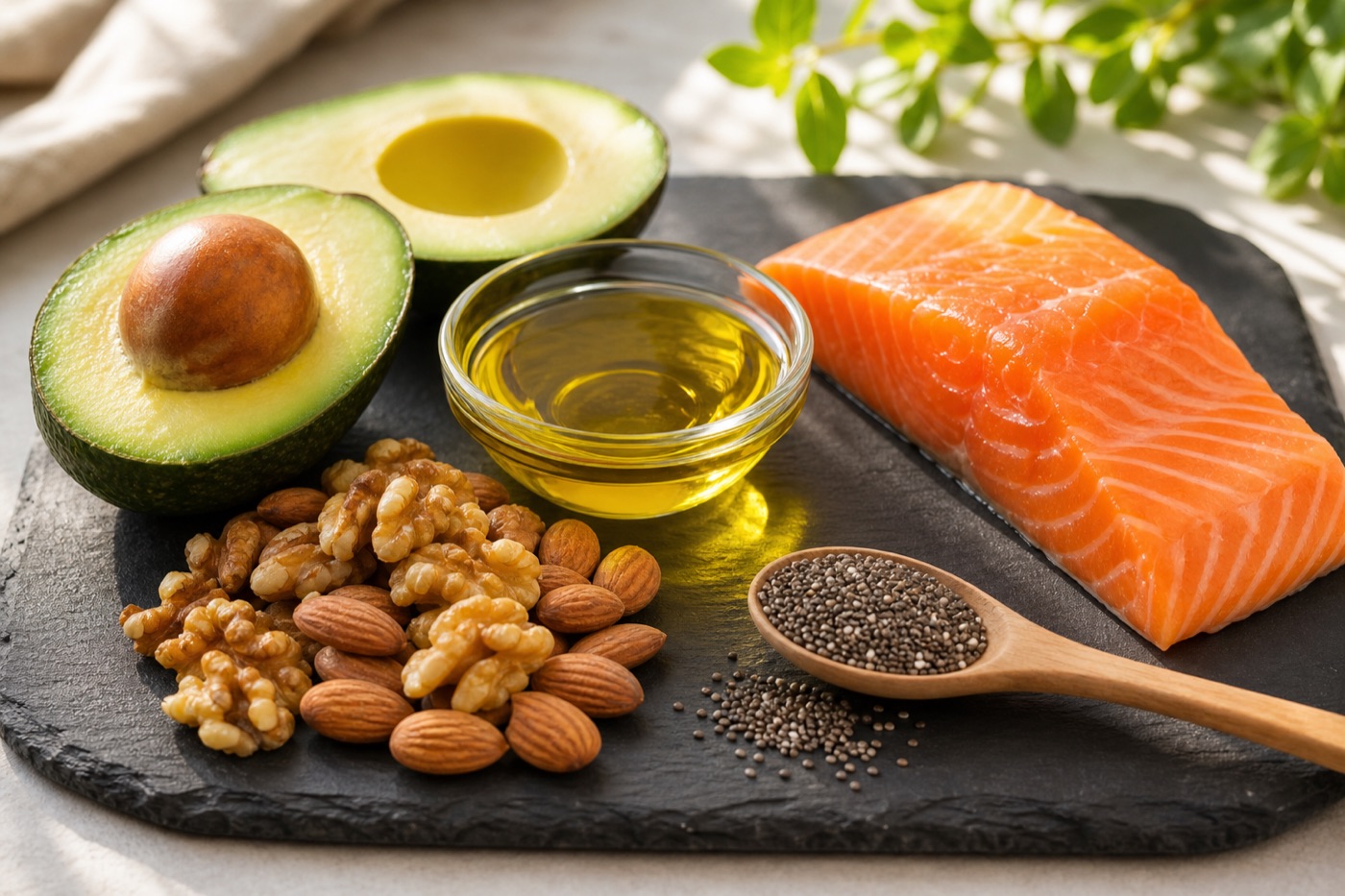
Healthy fats are mainly unsaturated fats, found in olive and canola oil, avocados, nuts, seeds and fatty fish.
Read more →
The Dietary Guidelines for Americans, 2020-2025, recommend that adults and teens aged 14 and older keep sodium below 2,300 milligrams a day, which is about the amount in one teaspoon of table salt. The American Heart Association goes further, suggesting an ideal limit of 1,500 milligrams for most adults, especially people with high blood pressure. Most of the sodium people eat comes from packaged and restaurant foods rather than the salt shaker.
These words are often used interchangeably, but they aren’t the same thing:
That’s why a teaspoon of table salt contains about 2,300 milligrams of sodium. Your body does need some sodium to maintain fluid balance, carry nerve signals and let muscles contract. The issue for most people is getting too much, not too little.
| Organization | Daily sodium guidance for adults |
|---|---|
| Dietary Guidelines for Americans, 2020-2025 | Less than 2,300 mg (ages 14 and up) |
| American Heart Association | No more than 2,300 mg, moving toward an ideal limit of 1,500 mg for most adults |
| World Health Organization | Less than 2,000 mg of sodium (under 5 g of salt) |
Children have lower limits that vary by age. The Daily Value for sodium on Nutrition Facts labels is 2,300 milligrams.
For many people, eating too much sodium raises blood pressure, and high blood pressure is a major risk factor for heart disease and stroke. Some people are more sensitive to sodium than others, including many older adults and people with high blood pressure, diabetes or kidney disease. Potassium helps counterbalance sodium’s effects, which is one reason diets rich in fruits, vegetables and beans are so helpful. The DASH diet was designed around exactly this idea.
Most sodium is already in food before it reaches your kitchen. Common sources include:
A single slice of bread may not taste salty, but foods eaten often add up over a day. Cooking more meals at home gives you far more control over how much salt goes in.
The % Daily Value makes comparisons quick:
Package claims also have specific FDA definitions:
| Claim | What it means |
|---|---|
| Sodium-free | Less than 5 mg per serving |
| Very low sodium | 35 mg or less per serving |
| Low sodium | 140 mg or less per serving |
| Reduced sodium | At least 25% less than the regular version |
| No salt added | No salt added during processing, though the food may still contain natural sodium |
Comparing similar products, like two brands of soup or bread, often reveals surprisingly large differences.
Many people find their taste for salt adjusts after a few weeks of eating less, until foods they once loved start to taste too salty. Since heavily processed products are a major sodium source, building meals around whole foods helps too; our guide to ultra-processed foods explains what to look for.
Some people need different amounts. Endurance athletes and people doing heavy physical work in the heat lose sodium through sweat and may need to replace some of it; our guide to electrolytes covers this. People with heart failure, kidney disease, high blood pressure or other conditions may be given specific sodium targets by their doctor, and some medications affect sodium balance. If any of these apply to you, follow your care team’s advice over general guidelines.
Most adults should aim for less than 2,300 milligrams of sodium a day, about one teaspoon of salt, and the American Heart Association suggests 1,500 milligrams as an ideal for most adults. Because most sodium hides in packaged and restaurant foods, reading labels, cooking at home and seasoning with herbs and spices make the biggest difference.
Not in any meaningful way. Sea salt and table salt contain about the same amount of sodium by weight. Coarser crystals may mean slightly less sodium per teaspoon, and the trace minerals in sea salt are too small to matter for health. Table salt is often iodized, which is a plus.
About 2,300 milligrams. Salt is roughly 40% sodium by weight, so one teaspoon of table salt contains close to the full daily limit recommended for most adults by US guidelines.
Common high-sodium foods include breads and rolls, pizza, deli meats and cured meats, canned and instant soups, sandwiches, burritos, savory snacks, cheese and many sauces and condiments, especially soy sauce. Restaurant meals are often high as well.
It's uncommon for healthy people eating a typical diet. Very low blood sodium can happen with certain medical conditions, some medications, or heavy sweating combined with drinking large amounts of plain water. If you have a condition that affects sodium balance, follow your doctor's guidance.
This guide is general information, not medical advice. For a health condition, pregnancy or a history of disordered eating, please talk with a doctor or registered dietitian.
Healthy fats are mainly unsaturated fats, found in olive and canola oil, avocados, nuts, seeds and fatty fish.
Read more →Most healthy adults need at least 0.8 grams of protein per kilogram of body weight per day, the Recommended Dietary Allowance.
Read more →The National Academies set adequate total water intakes of about 3.7 liters a day for men and 2.7 liters for women, counting water from all drinks and foods.
Read more →