Healthy Fats Explained: Which Fats to Eat and Which to Limit
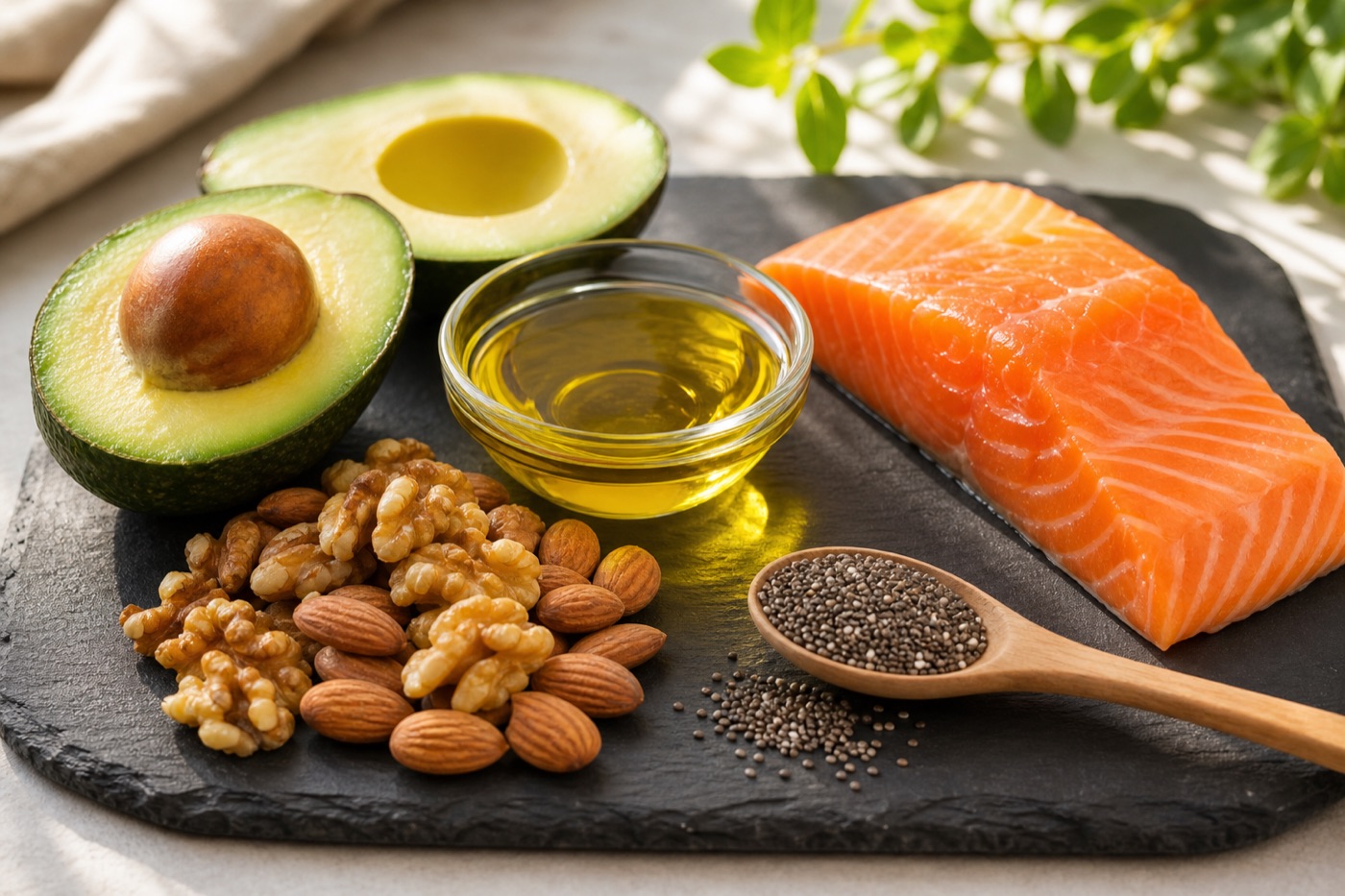
Healthy fats are mainly unsaturated fats, found in olive and canola oil, avocados, nuts, seeds and fatty fish.
Read more →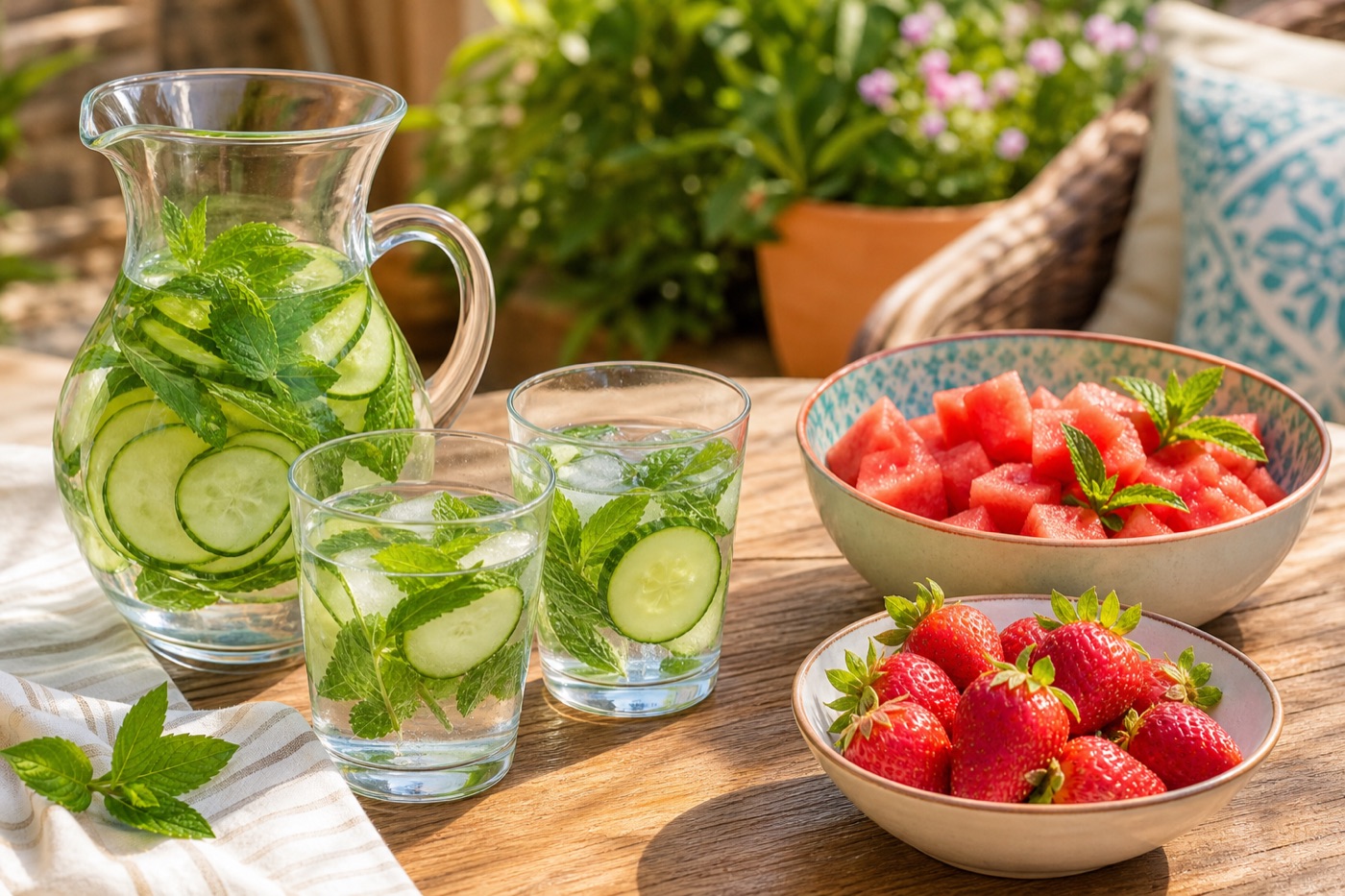
According to the National Academies, an adequate daily intake of total water is about 3.7 liters (roughly 15.5 cups) for men and about 2.7 liters (roughly 11.5 cups) for women. That total includes water from all drinks and foods, not just plain water. Because food typically supplies around 20% of it, most people need to drink less than those headline numbers, and thirst is a reliable guide for many healthy adults.
The National Academies’ figures are Adequate Intakes for healthy adults in temperate climates. They reflect what healthy people typically consume rather than a strict minimum. In their report, the experts noted that this works out to about 3.0 liters (about 13 cups) of beverages a day for men and about 2.2 liters (about 9 cups) for women, with the rest coming from food.
| Group | Adequate total water from food and drinks |
|---|---|
| Adult men | About 3.7 L (about 15.5 cups) |
| Adult women | About 2.7 L (about 11.5 cups) |
| Pregnancy | About 3.0 L |
| Breastfeeding | About 3.8 L |
These are averages for groups, not personal prescriptions. Your own needs depend on your body size, activity, climate, health and what you eat.
The familiar “eight 8-ounce glasses” rule is easy to remember, but it isn’t based on strong scientific evidence. For some people it’s roughly right; for others, especially active people or those in hot climates, it may fall short. And plenty of people get enough fluid from a mix of drinks and water-rich foods without counting glasses at all.
For most healthy adults, the body is good at signaling its needs:
Signs you may need more fluid include dark yellow urine, a dry mouth, headache, fatigue, dizziness or urinating less often than usual. Older adults may feel less thirsty even when their bodies need water, so drinking regularly with meals and snacks can help.
Your needs rise in several situations:
During long or intense exercise in the heat, or during illness, you may need to replace sodium and other minerals along with water. Our guide to electrolytes explains when that matters.
Almost everything you drink adds to your total, and many foods chip in too:
Sugary drinks like soda, sweet tea and many fruit drinks provide fluid as well, but they can add a lot of sugar. Our added sugar guide explains how to keep that in check, and the CDC encourages choosing water over sugary drinks.
It’s uncommon, but yes. Drinking very large amounts in a short time, which occasionally happens during marathons and other endurance events, can dilute the sodium in your blood and lead to a dangerous condition called hyponatremia. Some people, including those with heart failure or advanced kidney disease, may be told by their doctor to limit fluids. If you have a medical condition, follow your care team’s guidance on how much to drink.
The National Academies suggest about 3.7 liters of total water a day for men and 2.7 liters for women, from all foods and drinks combined. Most people meet their needs by drinking when thirsty, having fluids with meals and eating water-rich produce. Drink more in the heat, during exercise, when you’re sick, and while pregnant or breastfeeding, and follow medical advice if you have a condition that affects fluid balance.
Yes. Coffee and tea add to your total fluid intake. Caffeine has a mild effect on urine output, but moderate amounts don't cancel out the water in the drink. Very large amounts of caffeine can cause jitteriness or poor sleep, so moderation still matters.
It's rare, but drinking very large amounts quickly, sometimes during long endurance events, can dilute blood sodium and cause a dangerous condition called hyponatremia. People with heart failure or advanced kidney disease may also need to limit fluids on their doctor's advice.
Common signs include strong thirst, dark yellow urine, urinating less than usual, dry mouth, headache, tiredness and dizziness. Severe dehydration, especially with confusion, fainting or ongoing vomiting or diarrhea, needs prompt medical care.
It depends on how long and hard you exercise, the temperature and how much you sweat. Drinking before, during and after activity is a good habit. For long sessions with heavy sweating, you may also need to replace sodium and other electrolytes.
This guide is general information, not medical advice. For a health condition, pregnancy or a history of disordered eating, please talk with a doctor or registered dietitian.
Healthy fats are mainly unsaturated fats, found in olive and canola oil, avocados, nuts, seeds and fatty fish.
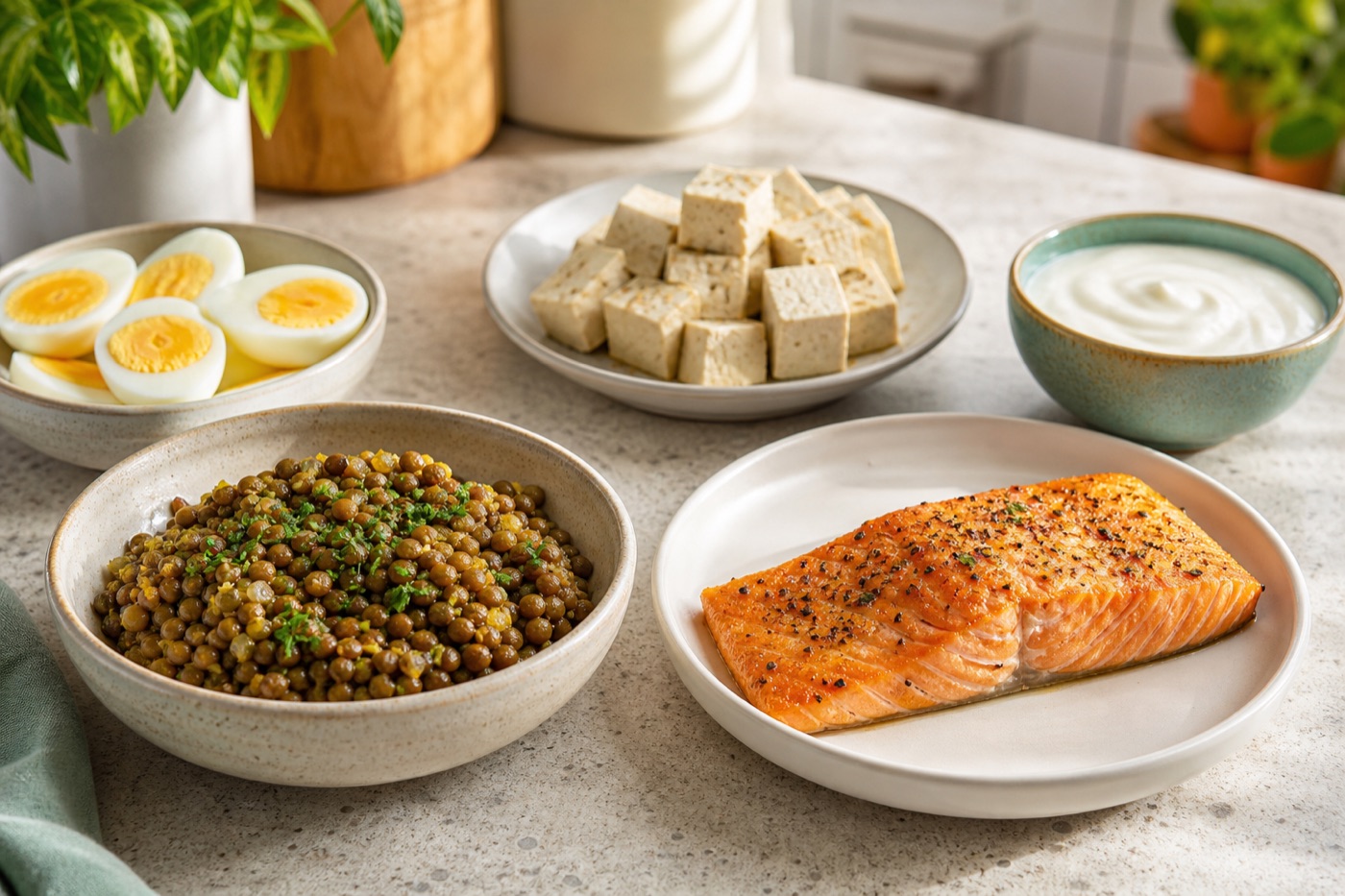
Read more →Most healthy adults need at least 0.8 grams of protein per kilogram of body weight per day, the Recommended Dietary Allowance.
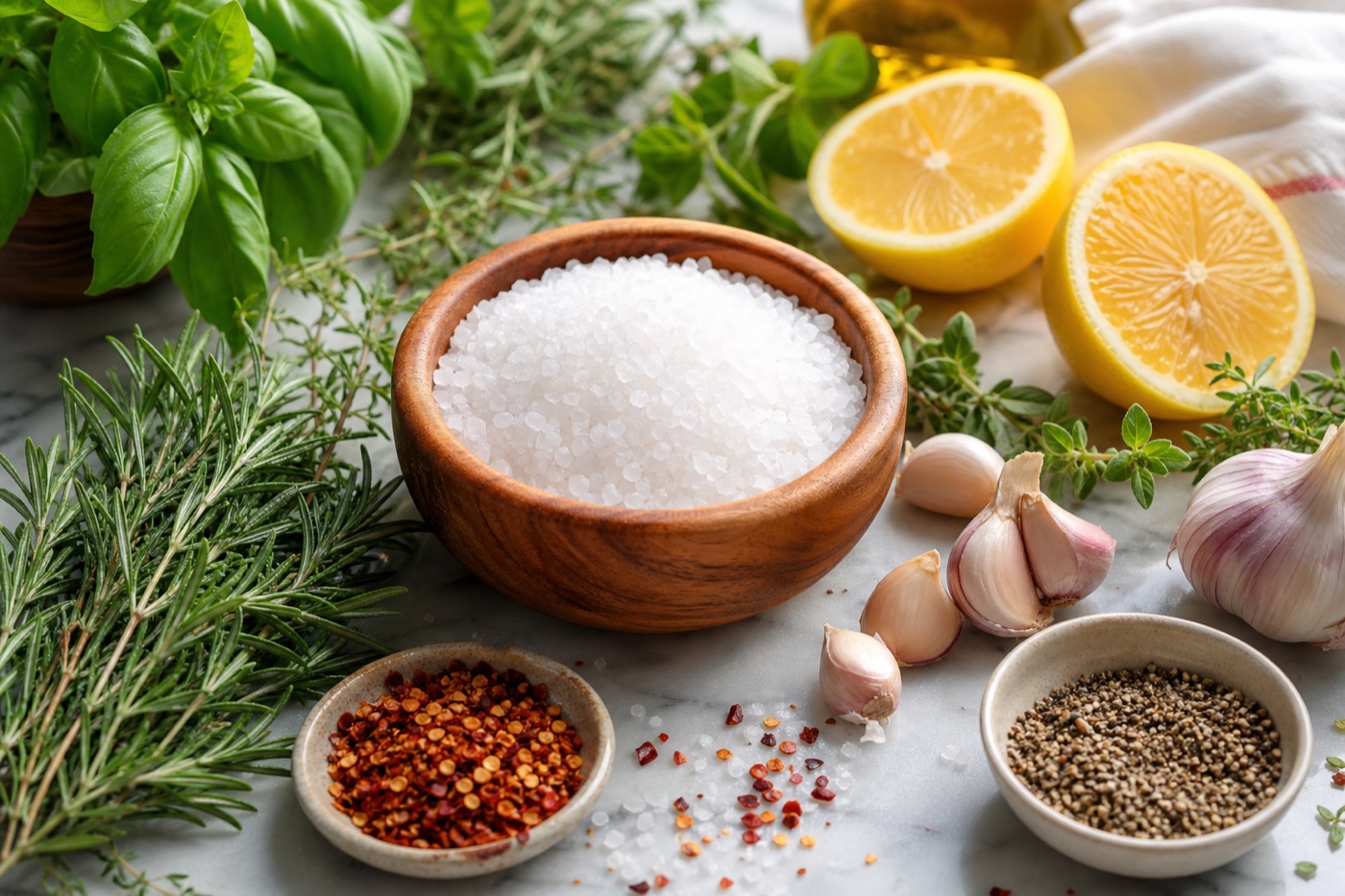
Read more →The Dietary Guidelines for Americans advise adults to keep sodium under 2,300 milligrams a day, about the amount in one teaspoon of table salt.
Read more →